
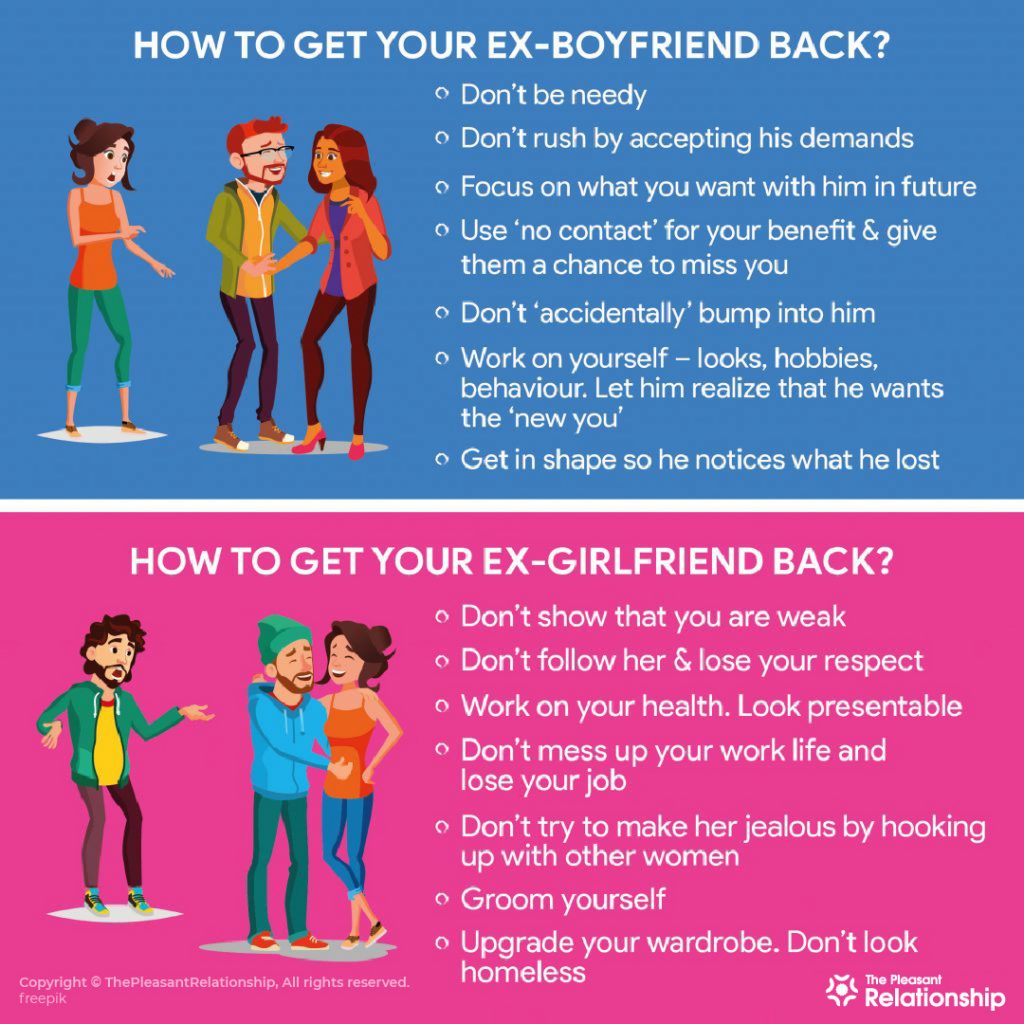
Winning Your Ex Back: Breaking Negative Habits for a Second Chance
Reconnecting with an ex can be a complex and emotionally charged endeavor. While the desire to rekindle a lost love is understandable, it's crucial to approach the situation with a clear head and a genuine commitment to self-improvement. One of the most effective ways to increase your chances of winning back your ex is by addressing and eliminating negative habits that may have contributed to the breakup. This article will delve into the intricate relationship between negative habits and relationship dynamics, offering a comprehensive guide on how to break free from these patterns and create a more favorable environment for reconciliation.
Understanding the Impact of Negative Habits on Relationships
Negative habits, whether conscious or unconscious, can create significant strain on even the strongest relationships. These habits often stem from underlying insecurities, past experiences, or personality traits that may not have been adequately addressed. When these patterns manifest in a romantic partnership, they can lead to resentment, communication breakdowns, and ultimately, a breakdown of the relationship itself.
Common Negative Habits that Can Sabotage Relationships
Identifying the specific negative habits that contributed to the breakdown of your relationship is a crucial first step. Some common negative habits that can have a detrimental impact on relationships include:
- Poor Communication: This can involve avoiding difficult conversations, being dismissive of your partner's feelings, engaging in constant arguments, or resorting to passive-aggressive behavior.
- Lack of Respect: Disregarding your partner's opinions, belittling their accomplishments, or failing to acknowledge their needs can lead to feelings of disrespect and resentment.
- Controlling Behavior: Trying to dictate your partner's actions, choices, or relationships can create a sense of suffocation and undermine their autonomy.
- Dishonesty and Betrayal: This can involve lying, cheating, or keeping secrets from your partner, which erodes trust and security.
- Neglect and Inattention: Prioritizing other commitments over your partner's needs, failing to spend quality time together, or being emotionally unavailable can create a sense of emptiness and loneliness.
- Substance Abuse or Addiction: This can have devastating consequences on relationships, causing harm to both individuals and creating instability in the dynamic.
- Financial Irresponsibility: Reckless spending, failure to contribute to household expenses, or neglecting financial obligations can strain the relationship and create financial stress.
Breaking Free from Negative Habits
Breaking negative habits requires a conscious effort, dedication, and a willingness to confront your own shortcomings. It's a journey of self-discovery and transformation that can lead to significant personal growth and a healthier approach to relationships.
1. Identify and Acknowledge Your Negative Habits
The first step towards breaking any habit is to acknowledge its existence and understand its impact on your life and relationships. Reflect on your relationship with your ex and honestly assess which of your behaviors may have contributed to the breakup. Be specific and avoid generalizing. For example, instead of saying "I was a bad communicator," identify specific instances of poor communication, such as avoiding difficult conversations or failing to listen actively.
2. Understand the Root Causes of Your Habits
Once you've identified your negative habits, it's important to explore their underlying causes. Are these habits rooted in childhood experiences, past traumas, or insecurities? Understanding the root causes can provide valuable insight into why these patterns have persisted and help you develop more effective strategies for change.
3. Set Realistic Goals and Develop a Plan
Breaking negative habits can be a challenging process, so it's important to set realistic goals and develop a plan for change. Start with small, achievable steps and gradually work towards more significant changes. For example, if you struggle with poor communication, you could start by making a conscious effort to listen actively during conversations or to express your feelings in a more assertive manner.
4. Seek Support and Accountability
Surrounding yourself with supportive friends, family members, or a therapist can provide invaluable guidance and encouragement during the process of breaking negative habits. A support system can offer a safe space for you to share your struggles, celebrate your successes, and stay accountable for your goals.
5. Practice Self-Compassion and Patience
Breaking negative habits takes time and effort, and it's important to practice self-compassion and patience throughout the process. There will be setbacks and moments of frustration, but it's crucial to acknowledge your progress and celebrate small victories along the way.
Reconciliation: A New Beginning with Your Ex
Once you've made significant progress in breaking your negative habits, you can consider reaching out to your ex and expressing your desire to reconnect. However, it's important to remember that winning back your ex is not guaranteed, and the decision to reconcile ultimately lies with them.
1. Communicate Your Growth and Changes
When reaching out to your ex, be honest and sincere about the changes you've made. Share your journey of self-discovery and how you've worked to address your negative habits. Focus on the positive changes you've implemented and the positive impact they've had on your life.
2. Respect Their Boundaries and Decisions
It's important to respect your ex's boundaries and decisions throughout the reconciliation process. They may need time to process the changes you've made and to decide if they're willing to give the relationship another try. Avoid pressuring or manipulating them into reconciling.
3. Focus on Building a Stronger Foundation
If your ex is open to rekindling the relationship, focus on building a stronger foundation based on open communication, mutual respect, and a shared commitment to growth. It's essential to address any unresolved issues from the past, establish clear expectations, and work together to create a healthier dynamic.
Conclusion
Winning back your ex requires a genuine commitment to personal growth and a willingness to break free from negative habits that may have contributed to the breakdown of the relationship. By identifying your negative patterns, understanding their root causes, and developing strategies for change, you can create a more favorable environment for reconciliation and build a healthier relationship based on trust, respect, and mutual understanding. Remember that the journey of personal growth is a continuous process, and the lessons you learn along the way can empower you to build stronger, more fulfilling relationships in the future.

No comments:
Post a Comment