
.png)
The Stages of Grief After a Breakup: Navigating the Process
Heartbreak. The word itself evokes a visceral response, a familiar ache in the chest that resonates with anyone who’s ever experienced the pain of a relationship ending. While the romantic notion of “happily ever after†often dominates our cultural narratives, the reality is that breakups are a common, and often painful, part of life. Understanding the process of grief after a breakup isn’t about avoiding pain; it’s about navigating it with self-compassion and developing healthy coping mechanisms. This article explores the stages you might experience, offering guidance for a smoother journey toward healing and self-discovery.
The Rollercoaster of Emotions: Understanding the Stages
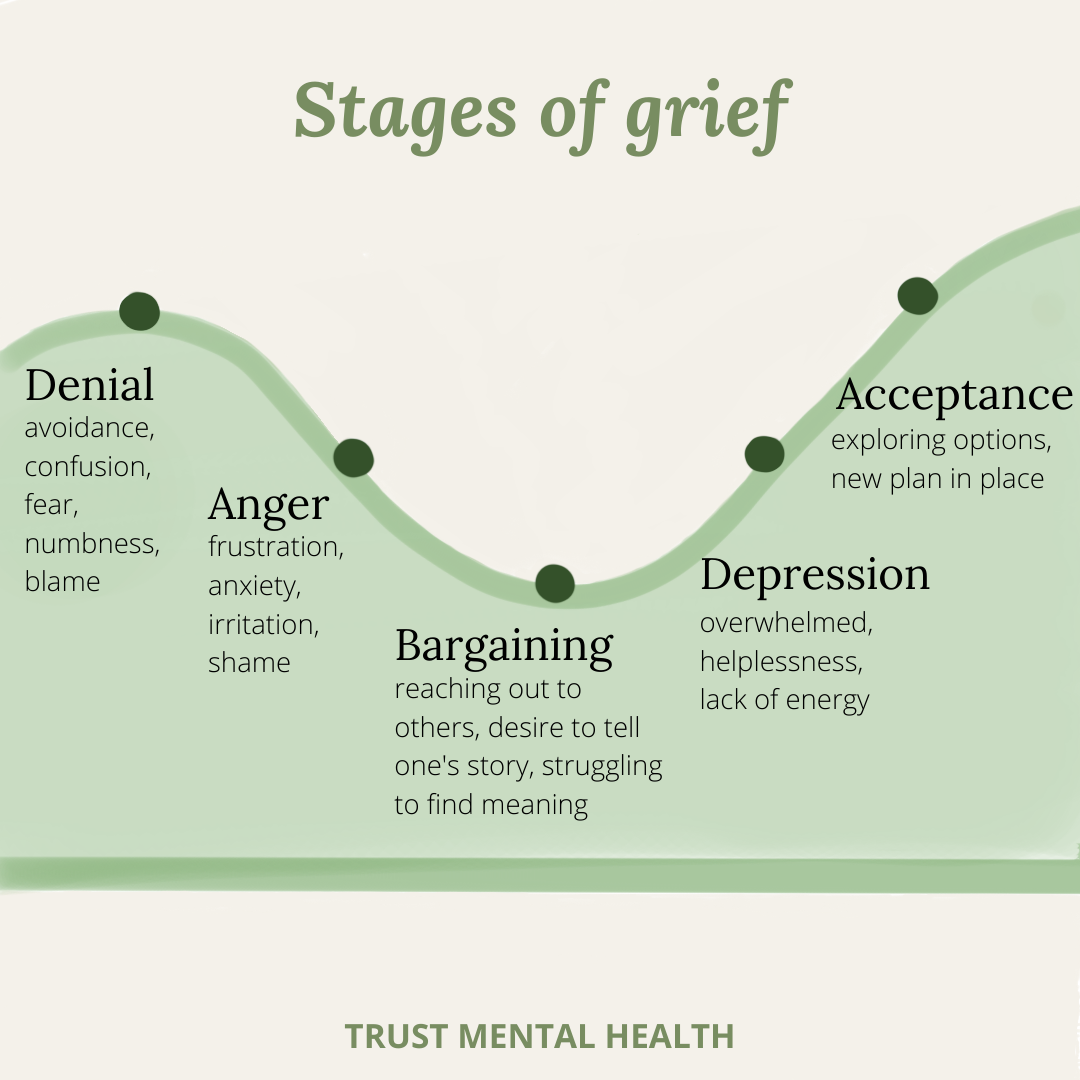
It's crucial to remember that grieving a relationship isn't linear. You won't necessarily progress neatly through each stage, and you might revisit earlier stages multiple times. Think of it as a rollercoaster: there will be highs and lows, moments of clarity and moments of intense emotional upheaval. The intensity and duration of each stage vary greatly from person to person, dependent on factors like the length of the relationship, the circumstances of the breakup, and individual coping styles. Be patient with yourself; healing takes time.
Denial and Shock
Initially, you might experience a state of numbness or disbelief. This is your mind's way of protecting you from the immediate onslaught of pain. You might find yourself minimizing the significance of the breakup, replaying events in your head, searching for explanations that negate the reality of the situation. This stage is temporary, and acknowledging its presence is the first step towards moving forward. Allow yourself to feel the shock without judgment.
Anger and Bargaining
As the initial numbness subsides, anger often emerges. You might direct this anger at your ex-partner, yourself, or even the universe. This can manifest as resentment, frustration, or even rage. Simultaneously, you might find yourself engaging in bargainingâ€"trying to imagine scenarios where you could undo the breakup or change the outcome. Acknowledge these feelings; journaling, talking to a trusted friend, or engaging in physical activity can help manage intense emotions.
Depression and Sadness
This stage is characterized by profound sadness, loneliness, and a sense of loss. You might experience decreased motivation, appetite changes, sleep disturbances, and difficulty concentrating. These are natural responses to significant loss, and it’s vital to be kind to yourself during this challenging period. Seek support from friends, family, or mental health professionals if you find yourself struggling to cope with overwhelming sadness.
Acceptance and Moving On
Acceptance doesn’t mean forgetting or condoning the hurtful aspects of the breakup. Instead, it’s about acknowledging the reality of the situation and gradually learning to live with it. This stage involves embracing self-compassion, focusing on personal growth, and rebuilding your life without your ex-partner. You begin to find meaning and purpose again, fostering new connections and rediscovering your individual passions and strengths.
Strategies for Navigating the Process
Successfully navigating a breakup requires proactive self-care and support. Here are some practical strategies:
- Prioritize self-care: Engage in activities that nourish your mind, body, and soul. This might include exercise, healthy eating, getting enough sleep, spending time in nature, or pursuing hobbies.
- Build a strong support system: Lean on trusted friends, family members, or support groups. Talking about your feelings can be incredibly therapeutic.
- Seek professional help: If you’re struggling to cope with the emotional fallout of the breakup, consider seeking guidance from a therapist or counselor.
- Practice self-compassion: Be patient with yourself and acknowledge that healing takes time. Don't compare your journey to others; everyone grieves differently.
- Focus on personal growth: Use this time to reflect on the relationship, identify areas for personal growth, and pursue new goals and aspirations.
Breaking up is never easy, but it’s an opportunity for growth and self-discovery. By understanding the stages of grief and implementing healthy coping strategies, you can navigate this challenging period and emerge stronger and more resilient on the other side.

No comments:
Post a Comment